
Is in vitro fertilization (IVF) associated with perinatal affective disorders?

 Highlights

  • IVF is not associated with affective symptoms during pregnancy and the postpartum.
  • Women who resorted to IVF could have less perinatal depressive symptoms.
  • More controlled studies are needed to draw definitive conclusions about this topic.

Abstract

Background

Since mothers who undergo in vitro fertilization (IVF) may experience more anxiety and depressive symptoms than mothers who conceive naturally, a review of the literature was conducted to investigate whether IVF may be considered a risk factor for the development of anxiety or depression during pregnancy and post-partum.

Methods

A thorough search of articles in Pubmed, PsycINFO and Isi Web of Knowledge was performed in order to produce a comprehensive review regarding the potential association of in vitro fertilization and anxiety/depression.

Results

The search resulted in a total of 10 articles. Contradictory results were reported in the articles about the possible association between IVF and the occurrence of anxiety and depressive symptoms both during pregnancy and postpartum period. Three studies found that women who resorted to IVF showed less anxiety and depressive symptoms than those who conceived naturally especially with the progression of pregnancy and in the postpartum.

Limitations

Vulnerability to affective disorders of women affected by infertility may be independent from the outcome of IVF. Other limits are the limited research in this area, the small sample sizes, the heterogeneity of the tools used to assess affective symptoms.

Conclusions

The available data indicate that IVF is not associated with perinatal affective symptoms. Women who resorted to IVF could have less perinatal depressive symptoms as the result of a positive outcome of the technique and the satisfaction of the desire to become mothers. Further studies are necessary in order to draw definitive conclusions about this topic.

Source – https://www.sciencedirect.com/science/article/abs/pii/S0165032720326021

Mohak Infertility Center is one of the best IVF centers in Indore and provides affordable IVF cost in Indore. If are you suffering from infertility and searching the best Best IVF center in MP, come to the Mohak Infertility Center, Indore. Book an appointment Today Call now us 7898047572, 8085-277666 for more information.

Please go through our social media :

like our page to no more about ivf 

Facebook :  https://www.facebook.com/MOHAK-IVF-1167147806785287/

Please do follow on Instagram 

Instagram :https://www.instagram.com/mohak_ivf/

To More Post:Fallopian tube
IVF center in Indore | affordable IVF cost in Indore – Mohak Infertility Center

Mohak Infertility Center is one of the best IVF center in Indore and provides affordable IVF cost in Indore. We have a highly experienced doctors team for IVF treatment. Book an appointment Today Call now us 7898047572, 8085–277666 for more information.

Best infertility hospital in Indore, IVF specialist in Indore, IVF center in Indore, Test tube baby center in Indore, IVF treatment cost in Indore, Best centre for IVF in Indore, affordable ivf cost in Indore, Best fertility hospital in India, Best ivf center in MP, Infertility treatment in Indore, Best ivf centre in India, ICSI treatment in Indore, Top ten ivf centre in Indore

Fallopian tube

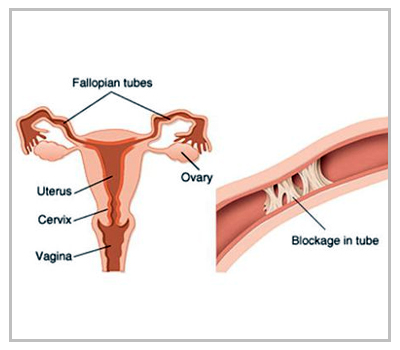
The Fallopian tubes, also known as uterine tubes or salpinges are tubes that stretch from the uterus to the ovaries, and are part of the female reproductive system. The fertilized egg passes through the Fallopian tubes from the ovaries of female mammals to the uterus.

Parts of fallopian tube: –

A uterine tube contains 3 parts. The first segment, closest to the uterus, is called the isthmus. The second segment is the ampulla, which becomes more dilated in diameter and is the most common site for fertilization. The final segment, located farthest from the uterus, is the infundibulum.

Blocked fallopian tube: –

Blocked fallopian tubes don’t often cause symptoms. Many women don’t know they have blocked tubes until they try to get pregnant and have trouble.

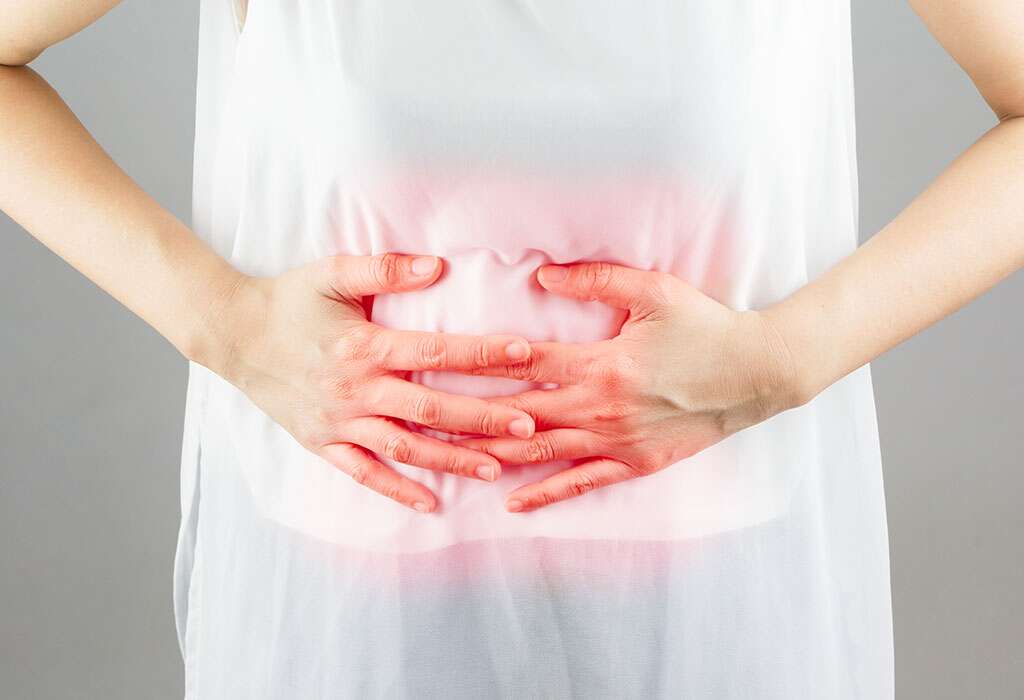
In some cases, blocked fallopian tubes can lead to mild, regular pain on one side of the abdomen. This usually happens in a type of blockage called a hydrosalpinx. This is when fluid fills and enlarges a blocked fallopian tube.

Conditions that can lead to a blocked fallopian tube can cause their own symptoms. Only one fallopian tube is blocked, the blockage most likely won’t affect fertility because an egg can still travel through the unaffected fallopian tube. Fertility drugs can help increase your chance of ovulating on the open side.

Cause of blocked fallopian tube: –

The most common cause of blocked fallopian tubes is PID.Pelvic inflammatory disease is the result of a sexually transmitted disease, although not all pelvic infections are related to STDs. Also, even if PID is no longer present, a history of PID or pelvic infection increases the risk of blocked tubes.

Diagnosis: –

Blocked tubes are usually diagnosed with a specialized x-ray called a hystero salpingogram, or HSG. An HSG is one of the basic fertility tests ordered for every couple struggling to conceive. The test involves placing a dye through the cervix using a tiny tube. Once the dye is in place, x-rays of the pelvic area are taken.

If all is normal, the dye will go through the uterus and fallopian tubes and spill out around the ovaries and into the pelvic cavity. If the dye doesn’t get through the tubes, then you may have a blocked fallopian tube.

It’s important to know that 15% of women have a “false positive,” where the dye doesn’t get past the uterus and into the tube. The blockage appears to be right where the fallopian tube and uterus meet. If this happens, the doctor may repeat the test another time, or order a different test to confirm.

Laparoscopic Surgery: –

In some cases, laparoscopic surgery can open blocked tubes or remove scar tissue. Unfortunately, this treatment doesn’t always work. The chance of success depends on how old you are the younger, the better how bad and where the blockage is, and the cause of blockage. If just a few adhesions are between the tubes and ovaries, then the chances of getting pregnant after surgery are good.

Prevention: –

The majority of blocked fallopian tubes are caused by pelvic infections. Most—but not all—of these infections are caused by a sexually transmitted infection.Regular screening for STIs, as well as getting worrisome symptoms checked out right away, is an important step in preventing tubal infertility. If the STI or pelvic infection is caught early enough, treating it may help prevent the development of scar tissue.

However, most infections are not acute, and often do not result in any signs or symptoms. But “quiet” doesn’t mean harmless. The longer the infection is present, the higher the risk of scar tissue forming and creating inflamed or blocked tubes.

If are you searching the Best centre for IVF in Indore, come to the Mohak Infertility Center because Mohak Infertility Center is one of the Best IVF centres in India. We provide IVF, IUI, ICSI, Test tube baby treatment and Infertility treatment in Indore at very affordable price. Book an appointment Today Call now 7898047572, 8085-277666 for more information.

Request an Appointment / General Inquiry:- https://www.mohakivf.com/Contact-us.htm

Please go through our social media :

like our page to now more about IVF

Facebook :- https://www.facebook.com/MOHAK-IVF-1167147806785287/

Please do follow on Instagram

Instagram :- https://www.instagram.com/mohak_ivf/

To More Post :- What is IUI?

What is IUI?

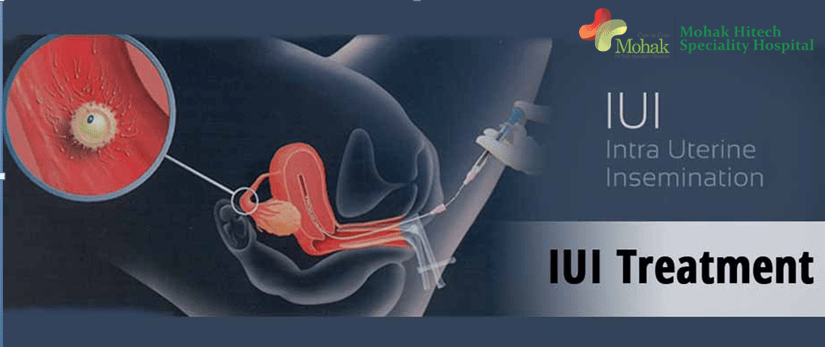
Intrauterine insemination (IUI) is a simple procedure that puts sperm directly inside your uterus, which helps healthy sperm get closer to your egg.

How does IUI work?

IUI stands for in intrauterine insemination. It’s also sometimes called donor insemination, alternative insemination, or artificial insemination. IUI works by putting sperm cells directly into your uterus around the time you’re ovulating, helping the sperm get closer to your egg. This cuts down on the time and distance sperm has to travel, making it easier to fertilize your egg.

Before having the insemination procedure, you may take fertility medicines that stimulate ovulation. Semen is collected from your partner or a donor. It goes through a process called “sperm washing” that collects a concentrated amount of healthy sperm from the semen.

Then your doctor puts the sperm right into your uterus. Pregnancy happens if sperm fertilizes your egg, and the fertilized egg implants in the lining of your uterus.

IUI is a simple and low-tech procedure, and it can be less expensive than other types of fertility treatments. It increases your chances of pregnancy, but everyone’s body is different, so there’s no guarantee that IUI will work.

What can I expect during IUI?

Before IUI, you may take fertility medicines that help make your eggs mature and ready to be fertilized. Your doctor will do the insemination procedure during ovulation (when your ovaries release an egg). Sometimes you’ll be given hormones that trigger ovulation.  They’ll figure out exactly when you’re ovulating and ready for the procedure to maximize your chances of getting pregnant.

Your partner or donor collects a semen sample at home or in the doctor’s office. The sperm are prepared for insemination through a process called “sperm washing” that pulls out a concentrated amount of healthy sperm. Sperm washing also helps get rid of chemicals in the semen that can cause reactions in your uterus and make it harder to get pregnant. If you’re using donor sperm from a sperm bank, the sperm bank generally sends the doctor’s office sperm that’s already “washed” and ready for IUI.

During the IUI procedure, the doctor slides a thin, flexible tube through your cervix into your uterus. They use a small syringe to insert the sperm through the tube directly into your uterus. Pregnancy happens if sperm fertilizes an egg, and the fertilized egg implants in the lining of your uterus.  

The insemination procedure is done at your doctor’s office or at a fertility clinic, and it only takes about 5-10 minutes. It’s pretty quick, and you don’t need anesthesia. IUI is usually not painful, but some people have mild cramping.

Mohak Infertility Center is one of the Best IVF centers in MP. We provide ivf treatment in Indore at very low cost. We have a highly experienced doctors team for IVF treatment. If are you searching the Best centre for IVF in Indore, come to the Mohak Infertility Center. Book an appointment Today Call now 7898047572, 8085-277666 for more information.

Request an Appointment / General Inquiry:- https://www.mohakivf.com/Contact-us.htm

Please go through our social media :

like our page to now more about IVF

Facebook :- https://www.facebook.com/MOHAK-IVF-1167147806785287/

Please do follow on Instagram

Instagram :- https://www.instagram.com/mohak_ivf/

To More Post :- Polycystic ovary syndrome (PCOS)

IVF center in Indore | Best ivf center in MP | Test tube baby center in Indore

Being a parent is everyone’s dream, but not everyone gets this happiness. Today, a large number of couples are facing  infertility. We are fully ready for you in Indore for the treatment of growing infertility disease. We are one of the best IVF  centers in Indore. We provide infertility treatment at very low cost in our Hospital Mohak Infertility Center. If you are looking  for the Best IVF center in MP with affordable IVF, then Mohak Infertility Center is the right choice for you. Book an  appointment  today call now us 78980 – 47572 / 80852 -77666 for more information.

Request an Appointment / General Inquiry:- https://www.mohakivf.com/Contact-us.htm

WHAT BRINGS THE FEMALE INFERTILITY

Maternityis the perfect concoction of love, care , nervousness; a completely different yet precious experience for any woman. A woman gets her rebirth with her child. For some women living this moment turn impossible due to infertility. Infertility refers to a condition when the female cannot conceive even after frequent and regular intercourse for an year or more due to any phys2iological or pathological conditions. It is a condition that disturbs the physical, mental and social state of a woman. The cause of infertility may lie in males too, but here we will mention about the infertility in females.

Most of the infertility causes are treatable and can be treated with medications or surgeries and in severe cases where the conservative and surgical approaches don’t work there comes the technology and assistive reproductive techniques. To land to the treatment approach detection of infertility and is cause is most important. 

Here Are The Symptoms That Would Alarm You About Infertility:

  • Absent Menstrual Cycle
  • Too early (<21 days) or too late (>35 days) menstrual cycle or the excessive painful menstrual cycle
  • Multiple miscarriage

What Can Cause Infertility In females?

  • Hormonal Imbalances: Pregnancy in humans is a hormone mediated process. Starting from ova maturation to ovulation and preparing the uterus for conceiving and even the abortion is mediated by hormones. Any imbalance in the gonadal hormones involving the oestrogen, progesterone, follicle stimulating hormone, oxytocin may lead to infertility. 
  • Ovulation Disorders: Ovulation isthe process of release of mature ova from female ovary. The ovulation disorders are most common cause of infertility:
  1. Polycystic Ovary Syndrome
  2. Hypothalamic Dysfunction 
  3. Premature Ovarian Failure
  4. Hyperprolactinemia 
  • Tubal Involvement: Damage to fallopian tubes or it’s blockagecan cause infertility , as it is the passage where ova and sperm fuse to form zygote
  1. Fallopian tube may be too narrow to allow entry of sperm or egg.
  2. Any infection in fallopian tube
  3. Any surgical trauma or previous ectopic pregnancy leading to rupture of membrane. 
  4. Pelvic Inflammatory Diseases
  5. Pelvic Tuberculosis
  • Uterus Involvement : Uterus is the major reproductive organ that provides the growing environment to the foetus. Any structural or pathological  condition of uterus may lead to infertility. 
  1. Fibroids and uterine tumour 
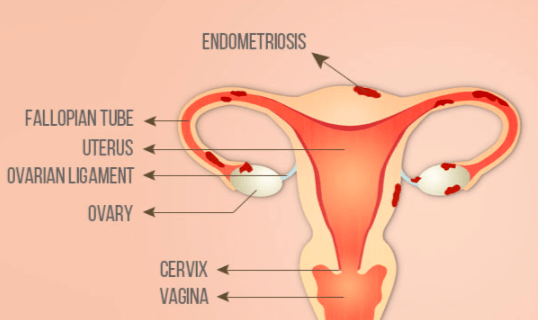
  2. Endometriosis
  3. Congenital conditions
  • Cervical Involvement: Block in cervix or vagina or any infection that lead to sperm death. The quality of mucous in cervix would affect the entry of sperm. Cervical cancer is a leading cause of infertility in female. Cervical stenosis is another such cause of infertility in female.

What adds the risk ?

  • Any abusive substance be it alcohol or any other drugs.
  • Smoking or environmental hazards.
  • Overweight can lead to hormonal imbalance. 
  • Sexually transmitted diseases like HIV, chlamydial infection and gonorrhoea due to previous unprotected sex.
  • Overage women , after mid 30’s face more issues due to decrease in follicle maturation rate and improper maturation.

Infertility is a condition that affect the family along with the parents emotionally and mentally, thus with improved technology and secured guidance, live the moments of parenthood. 

If are you suffering from infertility and searching the best IVF specialist in Indore, come to the Mohak Infertility Center, Indore.  Mohak Infertility Center is India’s leading chain of fertility centers, providing world-class Infertility treatment in Indore. We believe in evidence-based treatment and transparency in all interactions with patients. We have a team of very experienced IVF doctors, who have been providing IVF treatment at a very low cost in Indore for many years. We have brought in the world’s most advanced technology, ensuring that all our services are cost-effective. Book an  appointment today with the Best fertility hospital in India, call now us 78980 – 47572 / 80852 -77666 for more information.

Request an Appointment / General Inquiry:- https://www.mohakivf.com/Contact-us.htm

Please go through our social media :

like our page to now more about IVF

Facebook :- https://www.facebook.com/MOHAK-IVF-1167147806785287/

Please do follow on Instagram

Instagram :- https://www.instagram.com/mohak_ivf/

To More Post :- THE PROS OF IVF

What is polycystic ovary syndrome?

What is PCOS?

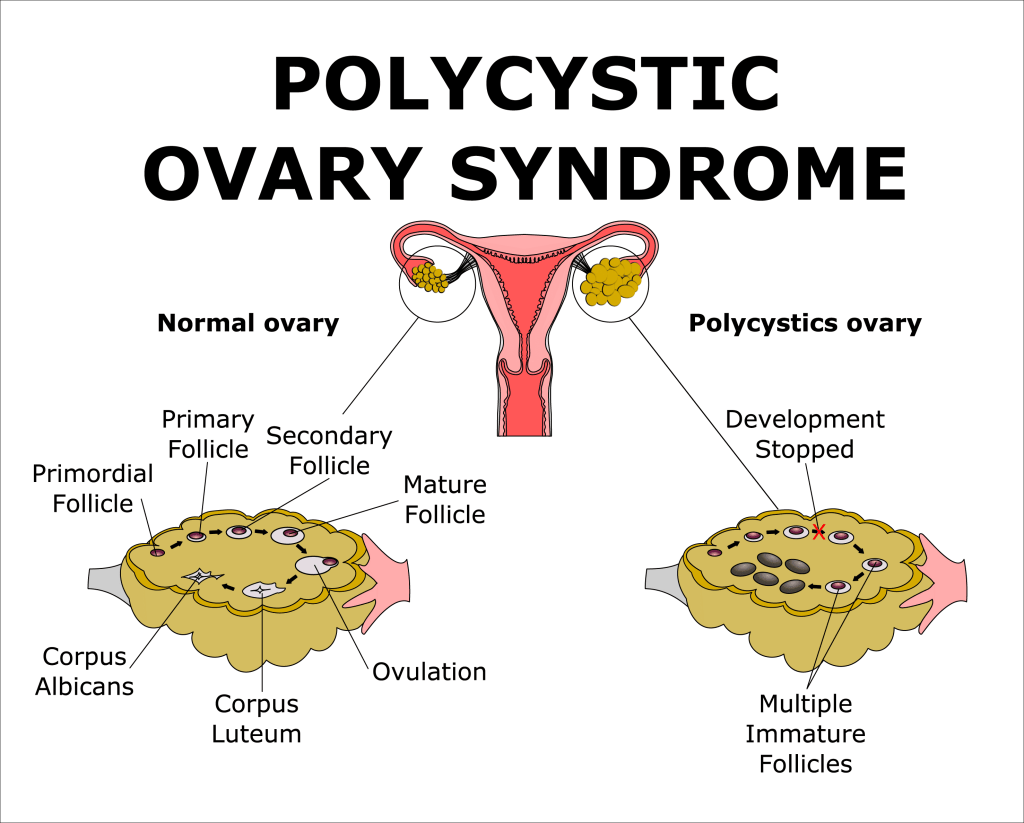
Most women with PCOS grow a number of small cysts, or fluid-filled sacs, on their ovaries. The cysts are not harmful, but they can lead to an imbalance in hormone levels.

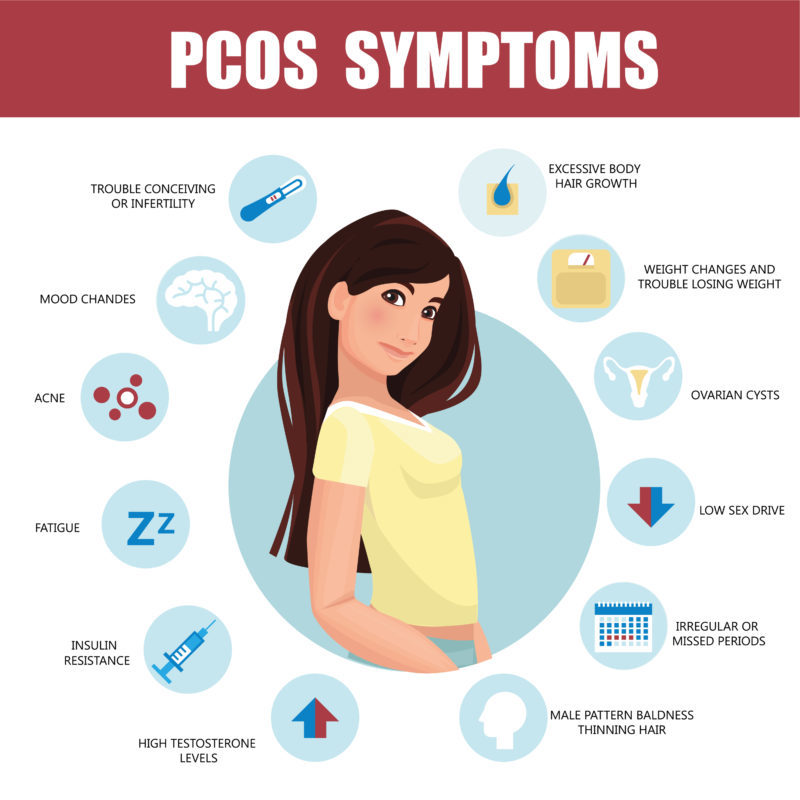
Women with PCOS may also experience menstrual cycle abnormalities, increased androgen (sex hormone) levels, excess hair growth, acne, and obesity.

In addition to the many health conditions associated with PCOS, which will be discussed in this article, PCOS is the most common cause of infertility in women – because it can prevent ovulation.

Women who can conceive with PCOS have a higher incidence of miscarriage, gestational diabetes, pregnancy-induced high blood pressure, preeclampsia, and premature delivery.

Causes

Currently, there is no known cause of PCOS. However, there are associations with excess insulin, low-grade inflammation, and genetics.

Symptoms

Apart from cysts on the ovaries, symptoms of PCOS include:

  • irregular menses
  • excess androgen levels
  • sleep apnea
  • high stress levels
  • high blood pressure
  • skin tags
  • infertility
  • acne, oily skin, and dandruff
  • high cholesterol and triglycerides
  • acanthosis nigricans, or dark patches of skin
  • fatigue
  • female pattern balding
  • insulin resistance
  • type 2 diabetes
  • pelvic pain
  • depression and anxiety
  • weight management difficulties including weight gain or difficulty losing weight
  • excessive facial and body hair growth, known as hirsutism
  • decreased libido

Tests and diagnosis

No single test can determine the presence of PCOS, but a doctor can diagnose the condition through medical history, a physical exam that includes a pelvic exam, and blood tests to measure hormone, cholesterol, and glucose levels.

An ultrasound may be used to look at the uterus and ovaries.

Treatment

There is no cure for PCOS, but treatment aims to manage the symptoms that affect an individual.

This will depend on whether the individual wants to become pregnant and aims to reduce the risk of secondary medical conditions, such as heart disease and diabetes.

There are several recommended treatment options, including:

Birth control pills: These can help regulate hormones and menstruation.

Diabetes medications: These help manage diabetes, if necessary.

Fertility medications: If pregnancy is desired, these include the use of clomiphene (Clomid), a combination of clomiphene and metformin, or injectable gonadotropins, such as follicle-stimulating hormone (FSH) and luteinizing hormone (LH) medications. In certain situations, letrozole (Femara) may be recommended.

Fertility treatments: These include in-vitro fertilization (IVF) or inseminations.

Excessive hair growth may be reduced with the drug spironolactone (Aldactone) or eflornithine (Vaniqa). Finasteride (Propecia) may also be recommended, but it should not be handled by women who may become pregnant.

Anyone using spironolactone should use birth control, due to the risk of birth defects if taken while pregnant. Breast-feeding on this medication is not recommended.

Other possible options to manage hair growth is laser hair removal, electrolysis, hormonal treatments, or vitamin and mineral use.

Surgical options include:

Ovarian drilling: Tiny holes made in the ovaries can reduce the levels of androgens being produced.
Oophorectomy: Surgery removes one or both ovaries.
Hysterectomy: This involves removal of all or part of the uterus.
Cyst aspiration: Fluid is removed from the cyst.

Pregnancy and menopause

Women who are affected by PCOS may experience the effects throughout their lifetime.

There may be an increased risk of miscarriage, gestational diabetes, preeclampsia, and preterm births.

After delivery, there is an increased risk of the newborn being placed in the neonatal intensive care unit or death before, during, or soon after birth. These complications are more common in multiple births, for example, twins or triplets.

Symptoms such as excessive hair growth and male pattern baldness can last beyond menopause and may become worse.

With aging also comes the risk of the secondary health complications related to PCOS, including heart disease.

Mohak Infertility Center is the Best centre for IVF in Indore and provides all infertility treatment at very affordable price. If you  are suffering from infertility and searching the best IVF center in Indore, come to the Mohak Infertility Center, because  Mohak Infertility Center is one of the best IVF centers in MP. Book an appointment today call now us 78980- 47572 / 80852-77666 for more information.

Request an Appointment / General Inquiry:- https://www.mohakivf.com/Contact-us.htm

Please go through our social media :

like our page to now more about IVF

Facebook :-https://www.facebook.com/MOHAK-IVF-1167147806785287/

Please do follow on Instagram

Instagram :- https://www.instagram.com/mohak_ivf/

To More Post :- How does a short luteal phase affect fertility?

.

Miscarriage

The spontaneous loss of a woman’s pregnancy before the 20th week that can be both physically and emotionally painful.

Miscarriage is the most common type of pregnancy loss and often occurs because the foetus isn’t developing normally. Miscarriage can also be genetically.

Symptoms of miscarriage include:-

Miscarriage are both physically and mentally painful. In some cases female can’t have next pregnancy. Some of the symptoms include:

  • cramps
  • Abdominal pain
  • Bleeding which turn from low to high level
  • Weakness which some time cause faint
  • Back pain
  • Fever
  • Abdominal infection
  • Urinal problems

Can I get pregnant after miscarriage :

Yes. At least 85% of women who have miscarriages have subsequent normal pregnancies and births. Having a miscarriage does not necessarily mean you have a fertility problem. If you’ve had two miscarriages in a row, you should stop trying to conceive, use a form of birth control , and ask your health care .

Can a Miscarriage Be Prevented?

Usually a miscarriage cannot be prevented and often occurs because the pregnancy is not normal. If a specific problem is identified with testing, then treatment options may be available. Sometimes,treatment of a mother’s illness can improve the chances for a successful pregnancy. Basically to prevent miscarriage a female should take some basic medicine that helps in building up the baby Or foetus. sure to take at least 400 mg of folic acid every day, beginning at least one to two months before conception, if possible.

  • Exercise regularly.
  • Eat healthy, well-balanced meals.
  • Manage stress.
  • Keep your weight within normal limits.
  • Don’t smoke and stay away from smoke.
  • Don’t drink alcohol
  • Avoid illicit drugs.
  • Take proper rest
  • Make sure you are up to date on immunizations.

If are you searching the Best infertility hospital for Infertility treatment in Indore, come in to the Mohak Infertility Center,  Indore, because we are the Best IVF center in MP. We have an experienced team of IVF specialist doctors, who provide  treatments like IVF, IUI, ICSI, test and tube baby at very low cost. Book an appointment today call now us 78980- 47572 /  80852-77666 for more information.

Request an Appointment / General Inquiry:- https://www.mohakivf.com/Contact-us.htm

Please go through our social media :

like our page to now more about IVF

Facebook :- https://www.facebook.com/MOHAK-IVF-1167147806785287/

Please do follow on Instagram

Instagram :- https://www.instagram.com/mohak_ivf/

To More Post :-When is surgery used in fertility treatments?

Types of embryo transfer

In order to extract and fertilize the eggs during IVF, doctors generally follow the same process everytime. Once fertilization has occurred, there are a few different options available for embryo transfer:

Fresh embryo transfer: Once eggs have been fertilized, they are cultured for 1-2 days. The best embryos are chosen to transfer directly to the woman’s uterus.

Frozen embryo transfer: Any healthy embryos that were not used in the first transfer can be frozen and stored for future use. These can be thawed and transferred to the uterus.

Blastocyst embryo transfer: If many healthy embryos develop after the fertilization, it is common to wait to see if the embryos develop into blastocysts. According to a study in the Indian Journal of Clinical Practice, blastocyst embryo transfer has a higher success rate than the standard embryo transfer on day 3. However, another recent study suggests that it may pose risks later in pregnancy and should not always be recommended.

Assisted hatching (AH): A study in the Reproductive Biomedicine Online found that the process of assisted hatching – weakening the outer layer of the embryo before it is transferred to the uterus – does not improve pregnancy and implantation rates in women who are having fresh embryos transferred. The researchers noted, however, that women having frozen embryos implanted do benefit from having their embryos treated in this way.

Mohak Infertility Center is the Best infertility hospital in Indore. We provide IVF treatment, test tube baby treatment and ICSI treatment in Indore at very low cost, If are you want IVF treatment with best IVF center in Indore, visit at the Mohak Infertility Center. Book an appointment Today call us 7898047572 and  ivf related for more information.

Request an Appointment / General Inquiry:- https://www.mohakivf.com/Contact-us.htm

Please go through our social media :

like our page to now more about IVF

Facebook :- https://www.facebook.com/MOHAK-IVF-1167147806785287/

Please do follow on Instagram

Instagram :- https://www.instagram.com/mohak_ivf/

To More Post :- What’s the Best Age to Get Pregnant?

Endometriosis Treatments

There’s no cure for endometriosis. Treatments usually include surgery or medication. You might need to try different treatments to find what helps you feel better.

Pain medicine. Your doctor may recommend an over-the-counter pain reliever. Non-steroidal anti-inflammatory drugs (NSAIDs) like ibuprofen (Advil, Motrin) or naproxen (Aleve) work for many people. If these don’t relieve your pain, ask about other options.

Some other things you can do at home may help with pain:

  • Take warm baths.
  • Put a hot water bottle or heating pad on your belly.
  • Exercise regularly.

Some women find that alternative therapies like acupuncture, diet changes, or homeopathy work for them. Before starting one, talk to your doctor to be sure it won’t interfere with another treatment.

Hormones. Hormonal therapy lowers the amount of estrogen your body creates and can stop your period. This helps lesions bleed less so you don’t have as much inflammation, scarring, and cyst formation. Common hormones include:

  • Birth control pills, patches, and vaginal rings
  • Gonadotropin-releasing hormone (Gn-RH) agonists and antagonists such as elagolix sodium (Orilissa) or leuprolide (Lupron)
  • Progestin-only contraceptives
  • Danazol (Danocrine)

Surgery. Your doctor might recommend surgery to take out as much of the affected tissue as possible. In some cases, surgery helps symptoms and can make you more likely to get pregnant. Your doctor might use a laparoscope or do a standard surgery that uses larger cuts. Pain sometimes comes back after surgery.

In the most severe cases, you may need a surgery called a hysterectomy to take out your ovaries, uterus, and cervix. But without them, you can’t get pregnant later.

Are you planning for Infertility treatment in Indore? If your answer is yes, so come in Mohak Infertility Center Indore because,  Mohak Infertility Centers is one of the best IVF centers in Indore. We provide IVF, IUI, ICSI, test tube baby, infertility treatment and other IVF related treatment very affordable price. Dr. Shilpa Bhandari is highly experienced IVF specialist doctor of this hospital.  Book an appointment today with the best IVF specialist in Indore call now us 7898047572 and online visit https://www.mohakivf.com/ for more information.

Request an Appointment / General Inquiry:- https://www.mohakivf.com/Contact-us.htm

Please go through our social media :

like our page to now more about IVF

Facebook :- https://www.facebook.com/MOHAK-IVF-1167147806785287/

Please do follow on Instagram

Please do follow on Instagram

To More Post :- Endometriosis