
How is Female Infertility treated using IVF?

Female Infertility :

It has been observed in a study that about 10-15% of couples face problems with conception. There is a range of causes which affect fertility in women as well as men. Those couples who might be getting no result even after making attempts to have a baby may be keen on seeking IVF treatments. Located in the heart of India – Indore and established in the year of 2010, Mohak IVF is known for its excellence for making unfertile women successfully produce babies.

What is IVF technology?

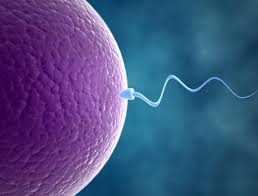
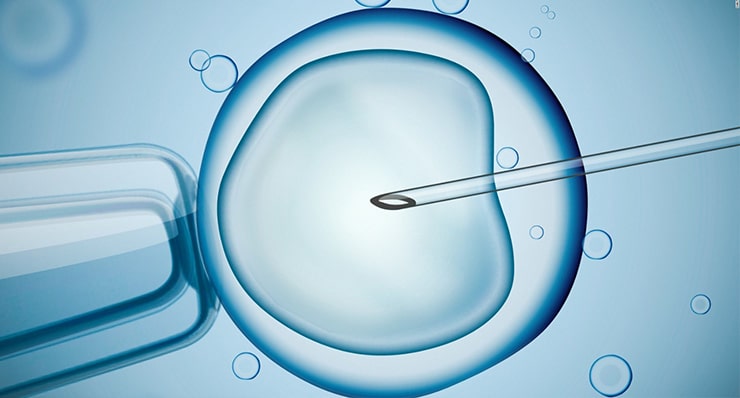
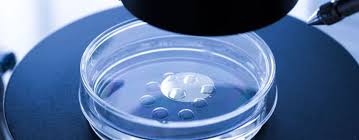
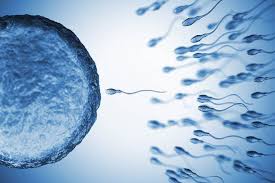
Usually known by its short name IVF, In Vitro Fertilization is a new age assisted reproductive technology. This technology involves the extraction of eggs and retrieving a sperm sample, thereafter integration of an and sperm is done manually in a laboratory dish. The formed embryo(s) is then moved into the uterus.

How is Female Infertility treated using IVF?

IVF treatment procedure provides treatments for couples who can not have a biological child for more than a year (12 months). It helps anyone who has already gone through several options of effectless fertility treatment, or maybe in the case of the Fallopian tube congestion or may be low sperm quality, like initial treatment – both can be treated only by IVF.
Infertility is a problem for women who are unable to conceive after 12 months of pregnancy. It is quite common, about 15% of the pairs are facing problems in conceiving even after making attempts. Fertility problems can occur both in men as well as women and in some cases.

In Vitro Fertilization or in vitro fertilization, the option is in a comprehensive clinical process in which the eggs and sperm are obtained and then fertilized manually in the laboratory and then restored in the uterus. For the pairs who failed to conceive naturally, of course, the ultimate goal of the IVF process is the result of a healthy full pregnancy.

What Causes Female Infertility?

A woman may be infertile because of a number of reasons:

Cervical issues. Due to certain conditions that prevent sperm from going through the cervical canal.

Damage to your fallopian tubes. These structures take eggs from your ovaries, which produce eggs, in a uterus where the child develops. In the case of scars after pelvic inflammation, endometriosis and pelvic surgery, they may be damaged. Which can stop sperm from reaching the egg?

Hormonal problems. You can not be pregnant because your body does not pass through normal hormonal changes, which leads to the release of an egg from the ovary and to the thickening of the endometrium.

“Unexplained” infertility. This is something which affects about 20% of couples where the exact reasons behind pregnancy are never seen.

Female Infertility Treatments

Most women in their mid-30s or onwards wanting to have a baby might experience issues since their eggs start to fall as they are of lower quality. Ecological elements such as smoking cigarettes, excess weight, sexual background and also alcoholic beverages are usually very high-risk elements that have an effect on Female Infertility Treatments.

Unexplained infertility is an event that accounts for 15% of all non-regular participants which can be seen in all the important researches, without diagnosing the doctor due to the lack of experience of the children.

Get the solutions related to infertility with one of the best fertility doctor intend to provide the best infertility treatment in indore. She is one of the leading Infertility specialists in Indore.

More Post : What is the IVF Treatment Cost in India?
What is the IVF Treatment Cost in India?
Age is an important factor:

With the increase in age, a woman’s ability to conceive a baby starts to decline. An important point to note is that when you use your own eggs, your rate of success is inversely proportional to your age. The younger you are more is the chances of success.

What Infertility Disorders Can Be Treated In India?

With the advancement in medical technology, we can see a lot of IVF centres across India which are capable of treating all types of Infertility disorders and help childless women gain a chance to conceive. Here are some of the disorders which are treated:

● Blocked or damaged Fallopian tubes.
● Ovulation-related disorders.
● Sperm-related disorders like low sperm count.
● Endometriosis.

Patients who are not willing a huge amount on treatment can sight India for world-class infertility treatment. The doctors are reputed and known for their personal attention to each patient. Apart from this, they are even known for migrating miles in order to make sure that the treatments they provided are successful.

How much does IVF treatment cost in India?

This is something every patient think before making up their mind for an IVF cycle and selecting an IVF centre. In this article, we have presented you with a basic structure of rates. The IVF Cost in India which includes all diagnostic and surgical procedures, test and treatments generally ranges between 1 to 1.25 Lakh per cycle. The cost of IVF cycles in India or across the world is gaining inclination because of modern diagnostic test, and treatment methods such as IUI, hysteroscopy, laparoscopy are taken in assistance to aid and facilitate infertility treatments cost. This is why, there is no upper limit to the amount of money one can spend in desire for a baby.

ART or Assisted Reproductive Technology is the bundle of all options of fertility treatment in which both sperm and eggs are managed. The ART process consists of surgical extraction of eggs from the ovaries of a woman. Thereafter, the extracted eggs are merged with the sperms. The next process is of restoration of these sperms and ovaries back to either a woman’s body or someone who can keep it on behalf of the original mother.

IVF cost – In vitro preparation is among the ART techniques of letting impregnation of the man, gametes of woman (sperm and an egg) occur outside the woman’s body system..

As seen through a recent Canadian and US survey, 40 out of 100 international couples are choosing India or putting India on the top for their IVF treatment whereas 50 of the couples were found to be looking for IVF with donor eggs. This is a pride moment for us to see that in India the success rate of IVF every year is attaining a new height.

Disclaimer: Please note that rates are subject to change as per hospitals, spread across the nation.

IVF treatment cost in Indore:

Talking about the IVF cost in Indore, it can vary in between a certain range depending upon whether it is including or excluding the cost of prescribed medicines and injections. Mohak IVF is one of the most renowned IVF centres in Indore, so it is suggested to call and speak to the executive to clear all your cost-related queries. The cost of IVF cycle is even not a fixed cost as many people have been found to spend more than Rs. 600,000 for the test tube baby treatment. There are numerous factors which influence the cost of IVF treatments fluctuations. The reasons behind the variations of costs may be the patient’s medical history, fertility issues or the need for several other treatments along with IVF. Mohak IVF is known for providing the most affordable IVF cost in Indore.

In case an IVF clinic offers an IVF cycle treatment for less than Rs.1,50,000, it is to be noted there may be some additional or hidden extra costs which will be billed later. Before going any further, the patient should always clear all the doubts related to the cost of IVF treatment like the cost of ultrasound, fertility drugs, blood work and monitoring etc. Raising

well-researched questions prior to the treatment can help you save from getting shocked because of surprisingly high medical bills and disputes with the clinic.

IVF clinics across India and their specialists have the expertise in performing satisfactory solutions for infertility. A patient need not to worry about getting treatment and conceiving as there are numerous reputed IVF centres across India which increases the chances of conceiving. This helps them see their dream of becoming a happy parent come true!

Mohak IVF is one of the best test tube baby center in indore is run by most popular and highly experienced IVF specialist and Fertility specialist. The centre have high success rate with focused on patient dedicated individual care. 

More Post : FET might be susceptible to an imperfect environment

FET might be susceptible to an imperfect environment

“Can FET and fresh ET outcome in IVF cycles be affected by the open environment air pollution?”

Introduction:

IVF outcomes and human infertility can be a result of air pollution around us. It’s indicated in Choe et al [1] study that lower pregnancy rates in IVF cycles can be associated with ambient air pollution while controlled ovarian stimulation as well as the post-transfer period.Choe et al1 study indicated lower pregnancy rates in IVF cycles may be linked to ambient air pollution during controlled ovarian stimulation and the post-transfer period. Do the outcomes of frozen-thawed embryo transfer (FET) and fresh transfer are differentially affected byopen-air pollution?

IVF outcomes and human infertility can be a result of air pollution around us. It’s indicated in Choe et al [1] study that lower pregnancy rates in IVF cycles can be associated with ambient air pollution while controlled ovarian stimulation as well as the post-transfer period.Choe et al1 study indicated lower pregnancy rates in IVF cycles may be linked to ambient air pollution during controlled ovarian stimulation and the post-transfer period. Do the outcomes of frozen-thawed embryo transfer (FET) and fresh transfer are differentially affected byopen-air pollution?

Summary:

Between January 2013 and December 2016, Wang et al [2] studied the adverse effects of air pollution in 11148 patients contributing to 16290 transfer cycles for IVF treatment cycles.The average age of the cohort was recorded to be 31.5 years. In order to estimate the daily ambient exposures to six main pollutants ( CO, O3, SO2, NO2, PM2.5, PM10) inverse distance weighing interpolation was used at an IVFclinical site, bestow to the data recorded at thefixed air quality monitoring stations inside the city. The exposure for every cycle was shown as the daily mean concentration of contaminants (pollutants) from oocyte retrieval to embryo transfer/cryopreservation. Analysis of exposures was performed on every quarter basis. A general equating estimate was used to study the relationship between pollutants and IVF results. The rate of clinical pregnancy and the rate of live birth of the course were recorded to be 55.1% and 47.1% respectively. 4013 patients among the included cycles, got 5299 FET cycles, bringing about 42.7% live birth per ET, while 9553 patients got 10991 new transfer cycles, bringing about 49.2% to live birth per ET. Raised SO2 and O3 levels wereessentially related with lower rates of live birth in FET cycles, while none of the pollutantswas significantly linked with bringing down of IVF results in new transfer cycles. The FET cycles in the most elevated quartile of SO2 and O3 exposure had essentially lower rates of live birth (balanced OR) in correlation with those in the least quartile. Models including all transfer cycles and collaboration terms (FET exposures) recommended that FET altogether improved the impacts of SO2 and O3 exposures on IVF results (P < 0.001). Representing every six contaminations, women in the top quartile of SO2 still had the least rates of live birth (OR 0.61, 95%CI 0.47–0.80).

Conclusion:

According to this study, embryos may be more vulnerable to a suboptimal environment which are undergoing FET in comparison to those which are undergoing fresh transfer. Elevated SO2 and O3 levels at the location of IVF were found to be significantly linked with lower rates of live birth following FET whereas it did not show any adverse effect on the contemporary new transfer results. In the locations and seasons which are heavily polluted, due to dynamic changes of the ambient air pollutant (specifically gaseous), fluctuation in FET outcomes can be seen.

According to this study, embryos may be more vulnerable to a suboptimal environment which are undergoing FET in comparison to those which are undergoing fresh transfer. Elevated SO2 and O3 levels at the location of IVF were found to be significantly linked with lower rates of live birth following FET whereas it did not show any adverse effect on the contemporary new transfer results. In the locations and seasons which are heavily polluted, due to dynamic changes of the ambient air pollutant (specifically gaseous), fluctuation in FET outcomes can be seen.

According to this study, embryos may be more vulnerable to a suboptimal environment which are undergoing FET in comparison to those which are undergoing fresh transfer. Elevated SO2 and O3 levels at the location of IVF were found to be significantly linked with lower rates of live birth following FET whereas it did not show any adverse effect on the contemporary new transfer results. In the locations and seasons which are heavily polluted, due to dynamic changes of the ambient air pollutant (specifically gaseous), fluctuation in FET outcomes can be seen.

References:

1.  Xin Li Wang, Jiali Cai, Lanlan Liu, Xiaoming Jiang, Ping Li, Aiguo Sha, Jianzhi Ren; Association between outdoor air pollution during in vitro culture and the outcomes of frozen-thawed embryo transfer, Human Reproduction, Volume 34, Issue 3, 1 March 2019, Pages441–451,https://doi.org/10.1093/humrep/dey3862.  Choe SA, Jun YB, Lee WS, Yoon TK, Kim SY. Association between ambient air pollution and pregnancy rate in women who underwent IVF. Hum Reprod. 2018 Jun1;33(6):1071-1078. doi: 10.1093/humrep/dey076. PubMed PMID: 29659826

Mohak laparoscopy and infertility center is one of the best fertility centre in indore. We offer male & female infertility treatment, ICSI and assisted reproduction at affordable ivf cost in indore.

More Post  : Diabetes and lower fertility rates are associated

Diabetes and lower fertility rates are associated

A variety of causes which includes being underweight, obesity, having diabetic complications, an autoimmune disease, and having PCOS, can lead to infertility.

It is seen in a number of women with diabetes with the ability to conceive, especially if diabetes is all around controlled and healthy body weight is kept up. Diabetes is a disease that affects numerous individuals as well as their family members. The WHO predicted that more than one hundred and eighty million individuals all around the globe have diabetic issues. This figure will most likely to increase twofold by 2030. Type 1 diabetes, which is mostly known to affect youngsters, is developing alarmingly (at a speed of 3% every year) around the globe. About 70,000 children of fourteen years old are developing Type 1 diabetic issues every year. Type 2 diabetic problems are mostly found in a large number of youngsters and developing teens and the reason behind it is found to be the continuous rise of morbid obesity levels, and found in each developing and developed countries as well. All types of diabetes affect females from numerous points of view, the association between diabetes mellitus and infertility is clarified.

Diabetes and female infertility

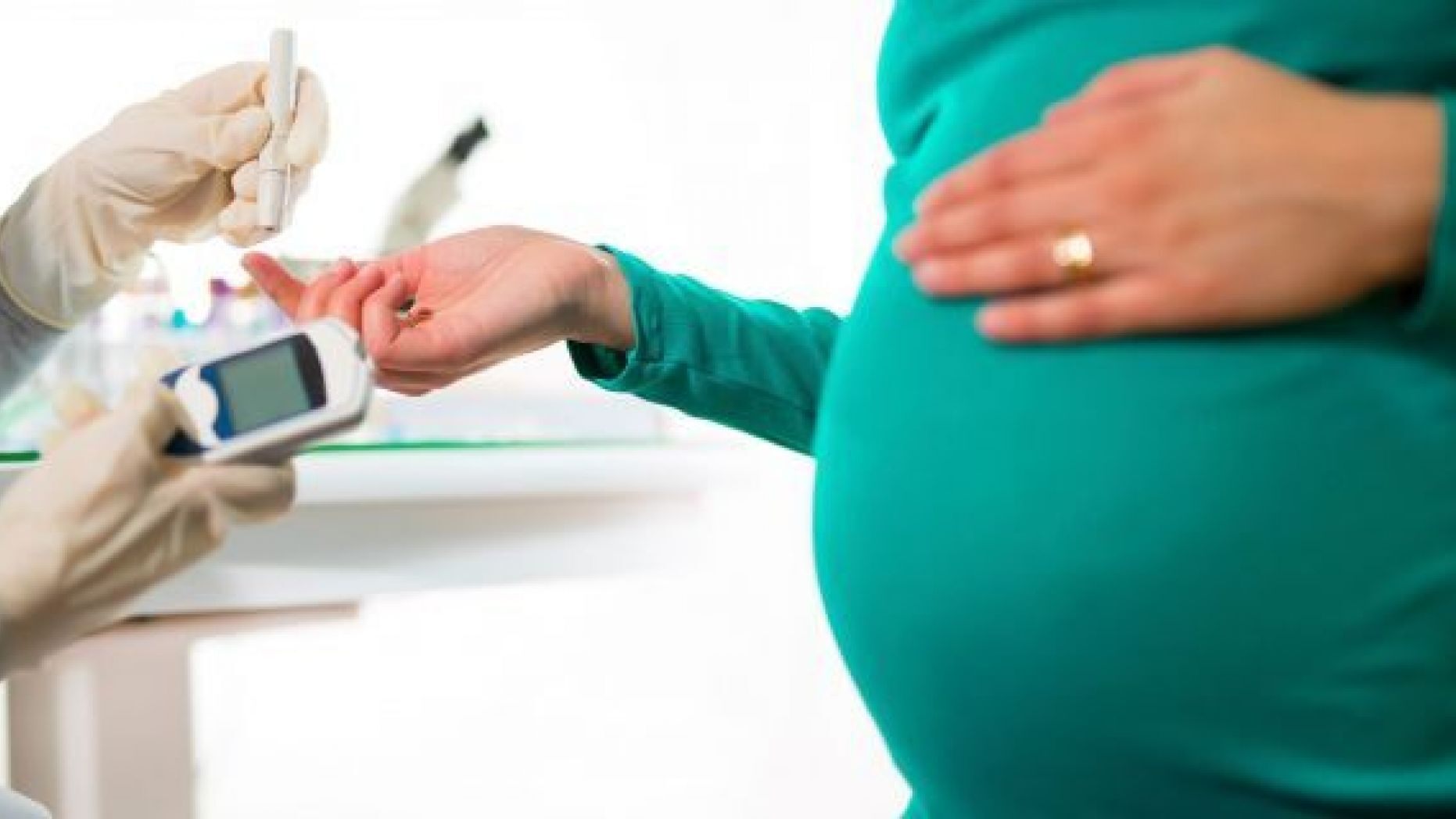
Diabetes in women can lead to the conceiving process more difficult as well as it can show an adverse effect on foetus development. On one side, rise in the glucose levels declines the manufacturing of hormones, for example, progesterone, estrogens and testosterone which are important for the female fertility. This disease produces hormonal changes in the body and shows an adverse effect on menstrual cycles leading absent or delayed as well as premature menopause. The dysfunctions brought about by diabetes can decay in women influenced by obesity. In any case, by holding under strict control the blood glucose levels can help in maintaining good health condition and avoid these issues. It has been seen in medical studies that women having diabetes can also get pregnant and also produce a healthy offspring. But it has a condition which is to keep the blood sugar levels monitored before and after the period of pregnancy. In case of a lady willing to give birth to a baby, she should go for a diabetes level checkup to avoid any possibility of health complications during the pregnancy. The main motto of the checkup is to reach the blood glucose level meeting the levels of women left over by the diabetes condition.

  • Keep up a healthy diet by keeping control of over the food consumption and their amount as prescribed by endocrinologist’s medical guidelines.
  • Also, go for moderate exercises while you are pregnant.
  • It is recommended to keep everyday track of blood sugar levels.
  • Maintain a healthy weight while pregnant.

Apart from these primary suggestions, it is also recommended to have proper medications and also regular consultations with your physician before and after the pregnancy is required to avoid any complications or issues. This is how a diabetic woman can safely conceive like other normal

Here are certain conditions associated with reduced rates of fertility:

  • Polycystic ovary syndrome (PCOS)
  • Endometrial cancer (uterine cancer)
  • Premature menopause (premature ovarian failure)
  • Oligomenorrhea (irregular periods)
  • Secondary amenorrhea (absent periods)
  • Microvascular and cardiovascular complications

We at MOHAK IVF offer our patients widest range of infertility technology and our goal is to make your parenting dreams comes true.We provides best and affordable infertility hospital in indore with world class facilities

Most common causes of women infertility

In different communities, infertility is still considered as a major healthcare problem. Due to high prevalence, this issue has doubled its importance. A major proportion of infertility is the result of environmental conditions and also have risk factors.

What is female infertility?

The inability to produce offsprings by a woman is known as female infertility. It is found that at least half of all those couples who consult for infertility have the female partner with the “problem”. In older days, it was a common myth that is is always a woman partner with the inability and they have to bear the brunt of the blame. Only about 5% of total couples who were seeking help with producing a baby considered to be because of male infertility.

Listed below are some of the most common causes infertility found in women:

  1. Ovulation Disorders:

    To timely release, an egg from the ovary (ovulate), a very fine balance of a variety of hormones which includes estrogen, luteinizing hormone, progesterone, a follicle-stimulating hormone is needed. Due to the decrease in the levels of progesterone one can experience interference in the adhesion of the embryo with the uterine lining. With the result of this, the risk of miscarriage increases. A significant increase in the levels of estrogen is also related to infertility in women.

  • Ovarian Failure:

    It may be a result of the natural disorders (known as Turner’s Syndrome) or medical treatments for ovarian tumours. It can also occur as a result of chemotherapy and radiotherapy for the treatment of cancers and tumours in different parts of the body.

  • Endometriosis: When the uterine lining doesn’t form normally, this condition is referred to as Endometriosis. It blocks the fallopian tubes as it grows outside the reproductive tract. Almost 10% of infertile women are due to these blockages. Since there is adhesion between fallopian tubes, uterus and ovaries, the further movement of sperm gets blocked in advance cases of endometriosis. This, as a result, causes infertility. It is found from the studies that the eggs released by women having endometriosis have more chances of producing offsprings with genetic abnormalities in comparison to those not having the disease.
  • Uterine and Cervical Disorders: A woman can face problems in conception because of the Benign growths like the uterine wall which can interfere with its connection with the wall of the uterus.
  • Abnormalities in cervix shape:

    It makes the movement of sperm from the vagina to uterus through the vaginal tract to uterus really difficult because of the change in the texture of cervical mucus.

  • Age:

    A woman’s age is again an important factor which affects her fertility. With increasing age, the chances of conceiving get lowered in every woman. This is a fact

that every woman is born with a finite number of eggs which gradually goes down with getting older. Apart from this, the quality of eggs also declines with increasing eggs. It is seen that the eggs become more inclined towards chromosomal abnormalities. The increasing age also affects other reproductive functions of the body such as hormone levels and ovulation as a result of this, risk of miscarriage increases.

  • Polycystic Ovaries:

    Because of having multiple cysts, such ovaries are found to be abnormally large in size. Women having Polycystic Ovaries Syndrome (PCOS) generally can’t ovulate.

  • Immunological Disorders:

    The sperm gets destroyed by the cervical mucus when sometimes, it contains antibodies which detect sperm as a toxic foreign invader. When the immune cells of a woman attack normal cells of the body because of autoimmune diseases, this is also responsible for ovarian problems.

Since women infertility is a severe issue in most women, hence, the causes behind it are not limited. There are many other causes as well which can be a reason behind making a woman face difficulties while conceiving.

Mohak ivf is the best Infertility treatment Hospital in Indore with affordable ivf treatment to achieving pregnancy with world class facilities.You can get Infertility treatment by Best IVF specialists at Mohak Ivf centre in Indore.
For More Details : https://www.mohakivf.com

Common Myths and Facts related to IVF.

First of all, let’s know what exactly IVF is? Well, it is the method of fertilization which includes extraction of eggs, retrieving of sperm sample and thereafter manually combining egg and sperm together in the laboratory dish. The next process is the transfer of embryo(s) to the uterus. GIFT (Gamete intrafallopian transfer) and ZIFT (Zygote intrafallopian transfer) are some other forms of ART.

Today, we can find a lot of information and misinformation floating out there related to fertility treatments. In this situation, an individual trying to conceive can be bombarded with a lot of information from friends, family, relatives, and colleagues. Although their intentions are good, they can’t be any replacement for the qualified experts on fertility challenges. Mostly, they hold outdated and untrue information. This is the birth and way of spreading myths about IVF. The best advice we would give you to get an appointment and consult Fertility Specialist to discover why you’re facing issues while trying to conceive. We have come up with a set of common myths floating around Fertility Treatment and busted it for you.

Presenting to you, some of the common statements when you share your phase of struggle behind fertility with others. Let’s identify the myths and facts.

●     Some say that, if you go for an IVF Fertility treatment, you are more likely to have twins or triplets.

It’s nothing like that. This statement is baseless and doesn’t have any scientific justification. A successful cycle of IVF is aimed for a couple to achieve a singleton pregnancy to produce a healthy baby as a result. IVF technology has reached an advanced level which creates excellent quality embryos. There is only one embryo transferred normally but in rare circumstances, an embryo may divide in the womb after transfer and produce twin.

●     One can always conceive with the help of IVF treatment, no matter even if you wait until the early 40s

Again, this is a false statement. Unfortunately, human fertility declines with age. Though it’s not guaranteed, still IVF is a good option for women aged 35 and above.

●     The success rate of IVF Treatment is majorly influenced by your diet.

Yes, the statement is true. Your diet intake plays an important role in overall health and well being. Although there is no miracle food or magic diet which will guarantee the successful IVF. Whether you are trying naturally or using IVF technology, taking a varied, healthy diet and staying aside from junk food help you to conceive. Women are advised to take a routine folic acid supplement which helps them to conceive. In the case of men, they should take Vitamin E, Zinc and Selenium to improve their sperm quality.

●     An IVF treatment automatically leads to a high-risk pregnancy.

In most cases, it is found to have normal, healthy pregnancies in women who conceive with IVF. Whereas, women conceiving in their 40s may experience complicated pregnancy due to age-related risks in pregnancy.

●     Hormones taken for IVF will also make you moody and miserable.

Yes, sometimes. It is indeed a fact that hormones influence our mood, though it is very individual. A lady experiencing PMT are more likely to be irritable or feel down while going through the IVF process. During the treatment, work and lifestyle can also add pressure. However, any negative impact is rarely seen in women as a result of using hormones.

●     You will never be able to conceive unassisted after you conceive with IVF.

This is completely a false statement. Fertility is a result of many different factors. It doesn’t mean that a couple will never conceive unassisted if they are having difficulty in conceiving.

●     It’s possible for you to conceive naturally once you have one baby.

Again, a false statement. Fertility is no doubt complex. A specific medical problem can lead to face difficulty while conceiving. Sometimes, it can be unexplained. Until now we don’t have any evidence stating that IVF fertility treatment has resulted in making the couple more fertile in the long run.

●     Children born by IVF process possess birth problems and malfunctions as well.

A child born with abnormalities as a result of the IVF process is found rarely. Although chances of an anomalous fetus are unpredictable and even IVF children are like other normally born children.

Never get influenced by misinformation produced by people with good intentions. It is recommended to consult a qualified medical practitioner who can clarify your doubts on facts basis.

we at mohak ivf offer our patients widest range of infertility technology and our goal is to make your parenting dreams comes true.We provides best and affordable IVF treatment in indore with world class facilities