
Is in vitro fertilization (IVF) associated with perinatal affective disorders?

 Highlights

  • IVF is not associated with affective symptoms during pregnancy and the postpartum.
  • Women who resorted to IVF could have less perinatal depressive symptoms.
  • More controlled studies are needed to draw definitive conclusions about this topic.

Abstract

Background

Since mothers who undergo in vitro fertilization (IVF) may experience more anxiety and depressive symptoms than mothers who conceive naturally, a review of the literature was conducted to investigate whether IVF may be considered a risk factor for the development of anxiety or depression during pregnancy and post-partum.

Methods

A thorough search of articles in Pubmed, PsycINFO and Isi Web of Knowledge was performed in order to produce a comprehensive review regarding the potential association of in vitro fertilization and anxiety/depression.

Results

The search resulted in a total of 10 articles. Contradictory results were reported in the articles about the possible association between IVF and the occurrence of anxiety and depressive symptoms both during pregnancy and postpartum period. Three studies found that women who resorted to IVF showed less anxiety and depressive symptoms than those who conceived naturally especially with the progression of pregnancy and in the postpartum.

Limitations

Vulnerability to affective disorders of women affected by infertility may be independent from the outcome of IVF. Other limits are the limited research in this area, the small sample sizes, the heterogeneity of the tools used to assess affective symptoms.

Conclusions

The available data indicate that IVF is not associated with perinatal affective symptoms. Women who resorted to IVF could have less perinatal depressive symptoms as the result of a positive outcome of the technique and the satisfaction of the desire to become mothers. Further studies are necessary in order to draw definitive conclusions about this topic.

Source – https://www.sciencedirect.com/science/article/abs/pii/S0165032720326021

Mohak Infertility Center is one of the best IVF centers in Indore and provides affordable IVF cost in Indore. If are you suffering from infertility and searching the best Best IVF center in MP, come to the Mohak Infertility Center, Indore. Book an appointment Today Call now us 7898047572, 8085-277666 for more information.

Please go through our social media :

like our page to no more about ivf 

Facebook :  https://www.facebook.com/MOHAK-IVF-1167147806785287/

Please do follow on Instagram 

Instagram :https://www.instagram.com/mohak_ivf/

To More Post:Fallopian tube
IVF center in Indore | affordable IVF cost in Indore – Mohak Infertility Center

Mohak Infertility Center is one of the best IVF center in Indore and provides affordable IVF cost in Indore. We have a highly experienced doctors team for IVF treatment. Book an appointment Today Call now us 7898047572, 8085–277666 for more information.

Best infertility hospital in Indore, IVF specialist in Indore, IVF center in Indore, Test tube baby center in Indore, IVF treatment cost in Indore, Best centre for IVF in Indore, affordable ivf cost in Indore, Best fertility hospital in India, Best ivf center in MP, Infertility treatment in Indore, Best ivf centre in India, ICSI treatment in Indore, Top ten ivf centre in Indore

Fallopian tube

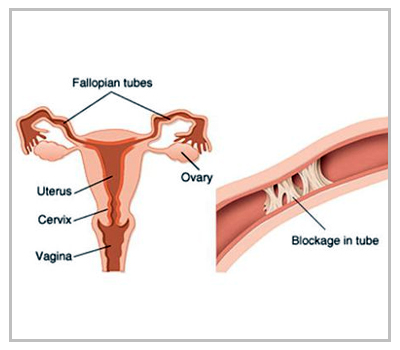
The Fallopian tubes, also known as uterine tubes or salpinges are tubes that stretch from the uterus to the ovaries, and are part of the female reproductive system. The fertilized egg passes through the Fallopian tubes from the ovaries of female mammals to the uterus.

Parts of fallopian tube: –

A uterine tube contains 3 parts. The first segment, closest to the uterus, is called the isthmus. The second segment is the ampulla, which becomes more dilated in diameter and is the most common site for fertilization. The final segment, located farthest from the uterus, is the infundibulum.

Blocked fallopian tube: –

Blocked fallopian tubes don’t often cause symptoms. Many women don’t know they have blocked tubes until they try to get pregnant and have trouble.

In some cases, blocked fallopian tubes can lead to mild, regular pain on one side of the abdomen. This usually happens in a type of blockage called a hydrosalpinx. This is when fluid fills and enlarges a blocked fallopian tube.

Conditions that can lead to a blocked fallopian tube can cause their own symptoms. Only one fallopian tube is blocked, the blockage most likely won’t affect fertility because an egg can still travel through the unaffected fallopian tube. Fertility drugs can help increase your chance of ovulating on the open side.

Cause of blocked fallopian tube: –

The most common cause of blocked fallopian tubes is PID.Pelvic inflammatory disease is the result of a sexually transmitted disease, although not all pelvic infections are related to STDs. Also, even if PID is no longer present, a history of PID or pelvic infection increases the risk of blocked tubes.

Diagnosis: –

Blocked tubes are usually diagnosed with a specialized x-ray called a hystero salpingogram, or HSG. An HSG is one of the basic fertility tests ordered for every couple struggling to conceive. The test involves placing a dye through the cervix using a tiny tube. Once the dye is in place, x-rays of the pelvic area are taken.

If all is normal, the dye will go through the uterus and fallopian tubes and spill out around the ovaries and into the pelvic cavity. If the dye doesn’t get through the tubes, then you may have a blocked fallopian tube.

It’s important to know that 15% of women have a “false positive,” where the dye doesn’t get past the uterus and into the tube. The blockage appears to be right where the fallopian tube and uterus meet. If this happens, the doctor may repeat the test another time, or order a different test to confirm.

Laparoscopic Surgery: –

In some cases, laparoscopic surgery can open blocked tubes or remove scar tissue. Unfortunately, this treatment doesn’t always work. The chance of success depends on how old you are the younger, the better how bad and where the blockage is, and the cause of blockage. If just a few adhesions are between the tubes and ovaries, then the chances of getting pregnant after surgery are good.

Prevention: –

The majority of blocked fallopian tubes are caused by pelvic infections. Most—but not all—of these infections are caused by a sexually transmitted infection.Regular screening for STIs, as well as getting worrisome symptoms checked out right away, is an important step in preventing tubal infertility. If the STI or pelvic infection is caught early enough, treating it may help prevent the development of scar tissue.

However, most infections are not acute, and often do not result in any signs or symptoms. But “quiet” doesn’t mean harmless. The longer the infection is present, the higher the risk of scar tissue forming and creating inflamed or blocked tubes.

If are you searching the Best centre for IVF in Indore, come to the Mohak Infertility Center because Mohak Infertility Center is one of the Best IVF centres in India. We provide IVF, IUI, ICSI, Test tube baby treatment and Infertility treatment in Indore at very affordable price. Book an appointment Today Call now 7898047572, 8085-277666 for more information.

Request an Appointment / General Inquiry:- https://www.mohakivf.com/Contact-us.htm

Please go through our social media :

like our page to now more about IVF

Facebook :- https://www.facebook.com/MOHAK-IVF-1167147806785287/

Please do follow on Instagram

Instagram :- https://www.instagram.com/mohak_ivf/

To More Post :- What is IUI?

What is IUI?

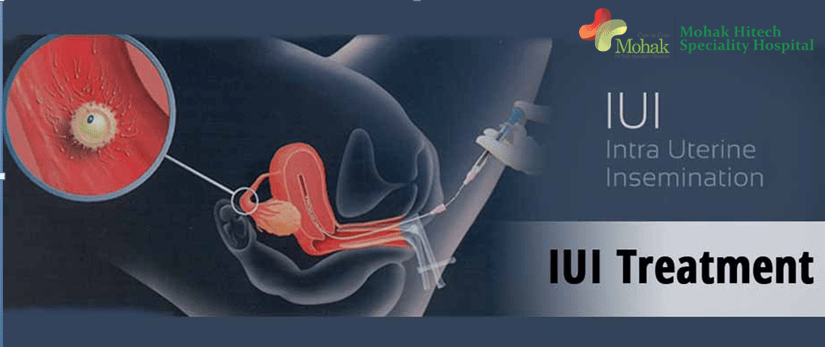
Intrauterine insemination (IUI) is a simple procedure that puts sperm directly inside your uterus, which helps healthy sperm get closer to your egg.

How does IUI work?

IUI stands for in intrauterine insemination. It’s also sometimes called donor insemination, alternative insemination, or artificial insemination. IUI works by putting sperm cells directly into your uterus around the time you’re ovulating, helping the sperm get closer to your egg. This cuts down on the time and distance sperm has to travel, making it easier to fertilize your egg.

Before having the insemination procedure, you may take fertility medicines that stimulate ovulation. Semen is collected from your partner or a donor. It goes through a process called “sperm washing” that collects a concentrated amount of healthy sperm from the semen.

Then your doctor puts the sperm right into your uterus. Pregnancy happens if sperm fertilizes your egg, and the fertilized egg implants in the lining of your uterus.

IUI is a simple and low-tech procedure, and it can be less expensive than other types of fertility treatments. It increases your chances of pregnancy, but everyone’s body is different, so there’s no guarantee that IUI will work.

What can I expect during IUI?

Before IUI, you may take fertility medicines that help make your eggs mature and ready to be fertilized. Your doctor will do the insemination procedure during ovulation (when your ovaries release an egg). Sometimes you’ll be given hormones that trigger ovulation.  They’ll figure out exactly when you’re ovulating and ready for the procedure to maximize your chances of getting pregnant.

Your partner or donor collects a semen sample at home or in the doctor’s office. The sperm are prepared for insemination through a process called “sperm washing” that pulls out a concentrated amount of healthy sperm. Sperm washing also helps get rid of chemicals in the semen that can cause reactions in your uterus and make it harder to get pregnant. If you’re using donor sperm from a sperm bank, the sperm bank generally sends the doctor’s office sperm that’s already “washed” and ready for IUI.

During the IUI procedure, the doctor slides a thin, flexible tube through your cervix into your uterus. They use a small syringe to insert the sperm through the tube directly into your uterus. Pregnancy happens if sperm fertilizes an egg, and the fertilized egg implants in the lining of your uterus.  

The insemination procedure is done at your doctor’s office or at a fertility clinic, and it only takes about 5-10 minutes. It’s pretty quick, and you don’t need anesthesia. IUI is usually not painful, but some people have mild cramping.

Mohak Infertility Center is one of the Best IVF centers in MP. We provide ivf treatment in Indore at very low cost. We have a highly experienced doctors team for IVF treatment. If are you searching the Best centre for IVF in Indore, come to the Mohak Infertility Center. Book an appointment Today Call now 7898047572, 8085-277666 for more information.

Request an Appointment / General Inquiry:- https://www.mohakivf.com/Contact-us.htm

Please go through our social media :

like our page to now more about IVF

Facebook :- https://www.facebook.com/MOHAK-IVF-1167147806785287/

Please do follow on Instagram

Instagram :- https://www.instagram.com/mohak_ivf/

To More Post :- Polycystic ovary syndrome (PCOS)

Polycystic ovary syndrome (PCOS)

A hormonal disorder causing enlarged ovaries with small cysts on the outer edges.

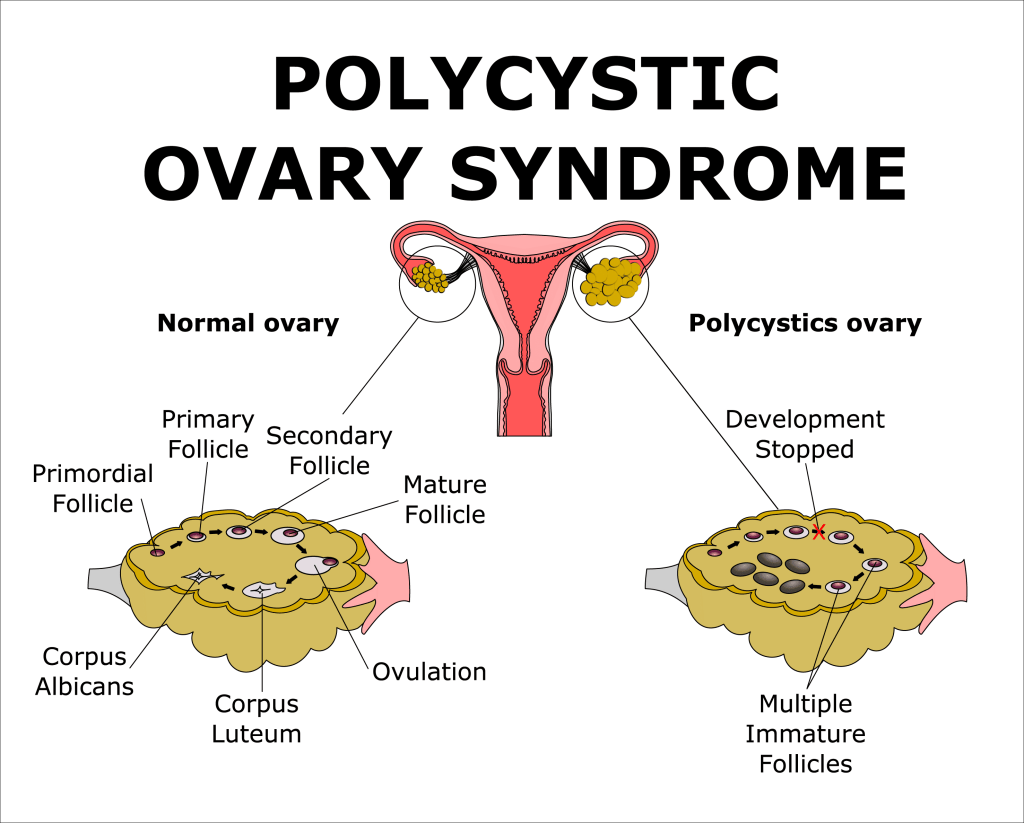
The cause of polycystic ovary syndrome isn’t well understood, but may involve a combination of genetic and environmental factors. Polycystic ovary syndrome (PCOS) is a hormonal disorder common among women of reproductive age. Women with PCOS may have infrequent or prolonged menstrual periods or excess male hormone (androgen) levels. The ovaries may develop numerous small collections of fluid (follicles) and fail to regularly release eggs.

Way to examine polycystic ovary syndrome :-

A pelvic exam. The doctor may visually and manually inspects your reproductive organs for masses, growths or other abnormalities.

Blood tests. Your blood may be analysed to measure hormone levels. This testing can exclude possible causes of menstrual abnormalities or androgen excess that mimics PCOS. You might have additional blood testing to measure glucose tolerance and fasting cholesterol and triglyceride levels.

An ultrasound. Your doctor checks the appearance of your ovaries and the thickness of the lining of your uterus. A wandlike device transducer is placed in your vagina (transvaginal ultrasound). The transducer emits sound waves that are translated into images on a computer screen.

The 3 main features of PCOS are Or symptoms for PCOS:-

  • Irregular periods – which means your ovaries do not regularly release eggs (ovulation)
  • Excess androgen – high levels of “male” hormones in your body, which may cause physical signs such as excess facial or body hair
  • Polycystic ovaries – your ovaries become enlarged and contain many fluid-filled sacs (follicles) that surround the eggs (but despite the name, you do not actually have cysts if you have PCOS)

If you have at least 2 of these features, you may be diagnosed with PCOS.

Common signs and symptoms of PCOS include the following:

  • Menstrual disorders: PCOS mostly produces oligomenorrhea (fewer than nine menstrual periods in a year) or amenorrhea (no menstrual periods for three or more consecutive months), but other types of menstrual disorders may also occur.
  • Infertility: This generally results directly from chronic anovulation (lack of ovulation).
  • High levels of masculinizing hormones: Known as hyperandrogenism, the most common signs are acne and hirsutism (male pattern of hair growth, such as on the chin or chest), but it may produce hypermenorrhea (heavy and prolonged menstrual periods), androgenic alopecia (increased hair thinning or diffuse hair loss), or other symptoms. Approximately three-quarters of women with PCOS have evidence of hyperandrogenemia.
  • Metabolic syndrome: This appears as a tendency towards central obesity and other symptoms associated with insulin resistance. Serum insulin, insulin resistance, and homocysteine levels are higher in women with PCOS.
  • PCOS can be a genetic problem that means if your ancestors are dealing with PCOS you may can deal with it.

If are you looking the Best infertility hospital for Infertility treatment in Indore, Mohak Infertility Center is one of the Best fertility hospitals in India and provides world class IVF, IUI, ICSI, Test tube baby and Infertility treatment at very low cost. We  have a highly experienced IVF specialists team at this hospital for infertility treatment. Book an appointment  today call now us 7898047572 / 8085277666 for more information.

Request an Appointment / General Inquiry:- https://www.mohakivf.com/Contact-us.htm

Please go through our social media :

like our page to now more about IVF

Facebook :-https://www.facebook.com/MOHAK-IVF-1167147806785287/

Please do follow on Instagram

Instagram :- https://www.instagram.com/mohak_ivf/

To More Post :- In vitro fertilization

In vitro fertilization

In vitro fertilisation is a process of fertilisation where an egg is combined with sperm outside the body, in vitro. The process involves monitoring and stimulating a woman’s ovulatory process, removing an ovum or ova from the woman’s ovaries and letting sperm fertilise them in a liquid in a laboratory.

The first step in IVF is taking fertility medications for several months to help your ovaries produce several eggs that are mature and ready for fertilization. This is called ovulation induction. You may get regular ultrasounds or blood tests to measure your hormone levels and keep track of your egg production.

Once your ovaries have produced enough mature eggs, your doctor removes the eggs from your body (this is called egg retrieval). Egg retrieval is a minor surgical procedure that’s done at your doctor’s office or at a fertility clinic.

Why IVF ?

Sometimes, IVF is offered as a primary treatment for infertility in women over age 40. IVF can also be done if you have certain health conditions. For example, IVF may be an option if you or your partner has:

Reason to choose IVF

  • Fallopian tube damage or blockage. Fallopian tube damage or blockage makes it difficult for an egg to be fertilized or for an embryo to travel to the uterus.
  • Ovulation disorders. If ovulation is infrequent or absent, fewer eggs are available for fertilization.
  • Endometriosis. Endometriosis occurs when the uterine tissue implants and grows outside of the uterus — often affecting the function of the ovaries, uterus and fallopian tubes.
  • Uterine fibroids. Fibroids are benign tumors in the wall of the uterus and are common in women in their 30s and 40s. Fibroids can interfere with implantation of the fertilized egg.
  • Previous tubal sterilization or removal. a type of sterilization in which your fallopian tubes are cut or blocked to permanently prevent pregnancy and want to conceive, IVF may be an alternative to tubal ligation reversal.
  • Impaired sperm production . Below-average sperm concentration, weak movement of sperm (poor mobility), or abnormalities in sperm size and shape can make it difficult for sperm to fertilize an egg. If semen abnormalities are found, your partner might need to see a specialist to determine if there are correctable problems or underlying health concerns.
  • Unexplained infertility. Unexplained infertility means no cause of infertility has been found despite evaluation for common causes.
  • A genetic disorder. If you or your partner is at risk of passing on a genetic disorder to your child, you may be candidates for preimplantation genetic testing — a procedure that involves IVF. After the eggs are harvested and fertilized, they’re screened for certain genetic problems, although not all genetic problems can be found. Embryos that don’t contain identified problems can be transferred to the uterus.
  • Fertility preservation for cancer or other health conditions. If you’re about to start cancer treatment — such as radiation or chemotherapy — that could harm your fertility, IVF for fertility preservation may be an option. Women can have eggs harvested from their ovaries and frozen in an unfertilized state for later use. Or the eggs can be fertilized and frozen as embryos for future use.
  • Women who don’t have a functional uterus or for whom pregnancy poses a serious health risk might choose IVF using another person to carry the pregnancy (gestational carrier). In this case, the woman’s eggs are fertilized with sperm, but the resulting embryos are placed in the gestational carrier’s uterus.

If are you want a best IVF specialist in Indore for ivf treatment with low cost, come to the Mohak Infertility Center. We provide  IVF, IUI, Infertlity, Test tube baby and ICSI treatment in Indore at very affordable price. Book an appointment today call now  us 7898047572 / 8085277666 for more information.

Request an Appointment / General Inquiry:-https://www.mohakivf.com/Contact-us.htm

Please go through our social media :

like our page to now more about IVF

Facebook :- https://www.facebook.com/MOHAK-IVF-1167147806785287/

Please do follow on Instagram

Instagram :- https://www.instagram.com/mohak_ivf/

To More Post :- Picking the Best Embryo for IVF

Picking the Best Embryo for IVF

In vitro fertilization, or IVF, has two major drawbacks. The first is that the early embryo doesn’t always survive implantation into the womb. To overcome this, doctors often implant several embryos. That leads to the second drawback: multiple pregnancies, which endanger the mother as well as the fetuses.

Because of the problems posed by multiple pregnancies, there’s been a trend toward IVF with just a single embryo. But there’s no standard way for doctors to pick the embryo most likely to succeed from the others in a batch.

That may soon change. Doctors already can “biopsy” a few cells from early embryos without hurting them. Now researchers at Australia’s Monash University show that DNA fingerprints from these cells provide valuable information about the embryo’s chances of becoming a baby.

“The ability to select the single, most viable embryo from within a cohort available for transfer will revolutionize the practice of IVF,” study researcher Gayle M. Jones says in a news release. This will “not only improve pregnancy rates but eliminate multiple pregnancies and the attendant complications.”

Jones and colleagues got genetic fingerprints from early embryos before they were implanted into 48 women undergoing IVF. They also got genetic fingerprints from the 37 babies born to these women, allowing them to tell which embryos succeeded and which failed.

Genetic screening showed that genes involved in several processes that are key to successful implantation — cell adhesion, cell communication, cellular metabolism, and cell responses to stimuli — were particularly active in the successful embryos.

“We are developing this technology in order to encourage single-embryo transfer to all patients with a degree of confidence that the embryo being transferred is the best among those available,” Jones told WebMD in an email interview.

Larger studies will be needed to fine-tune the technique. These studies will compare the genes of successful embryos to those of failed embryos. Such studies should give doctors the genetic-fingerprint profile of embryos destined for success.

If are you looking the best IVF center in Indore for IVF treatment, Mohak Infertility Center is one of the Best centres for IVF in Indore. We provide IVF, IUI, Test tube baby treatment, Infertility treatment and ICSI treatment in Indore. We have an experienced ivf specialist team at the Mohak Infertility Center. We strive to ensure that everyone who walks in our center goes home with a smile on face and a baby in arms. Book an appointment today call now us 7898047572 / 8085277666  for more information.

Request an Appointment / General Inquiry:- https://www.mohakivf.com/Contact-us.htm

Please go through our social media :

like our page to now more about IVF

Facebook :- https://www.facebook.com/MOHAK-IVF-1167147806785287/

Please do follow on Instagram

Instagram :- https://www.instagram.com/mohak_ivf/

To More Post :- Causes Of Infertility In Men And Women

Causes Of Infertility In Men And Women

Infertility appears to be a problem when a woman cannot conceive despite having regular unprotected sex and with a desire to produce a child. Medically speaking, infertility is defined as a problem when unprotected sex occurs for a period to 12 months without conception.

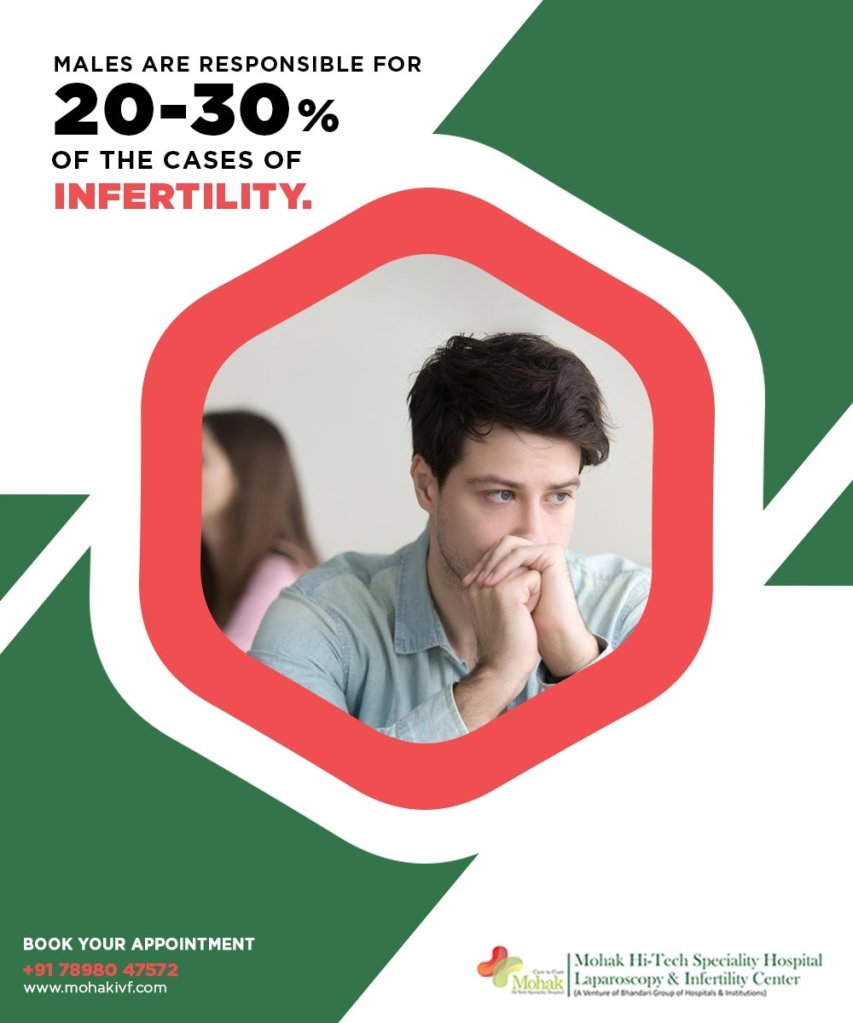
Worldwide, between 8% and 12% of couples experience problems with infertility, and despite the fact that it is often blamed on the woman, around 45% – 50% of cases are believed to stem from factors affecting the male.

One of the main causes in men is a low sperm count, In fact, a low sperm count is thought to be a factor in one in three couples who are trying to produce a baby. A low sperm count is where the man has less than 15 million sperm in one millilitre of semen. That is still quite a lot of sperm when you consider that it only needs one sperm to produce a pregnancy. Nonetheless, that is the way it is.

Another problem may be the ability of the sperm to swim. They may not be able to reach the egg as quickly as they should, and this can result in the inability of the woman to conceive. Another situation occurs if the sperm are not of the right shape which can also cause problems with fertilising the egg. Around 2% of men are thought to have abnormal sperm, and in addition abnormal semen may not be able to carry the sperm effectively.

There may be several causes of abnormal semen such as a testicular infection, surgery, or cancer. There could be a deficiency of testosterone or there could be ejaculation disorders such as blocked ejaculatory ducts which may cause the semen to be ejaculated into the bladder instead of through the penis into the vagina.

There can be several other causes, such as mumps. If a child suffers mumps after puberty this can cause an inflammation of the testicles. Anaemia, diabetes, thyroid disease, and Cushing’s disease can also affect sperm count. Cystic fibrosis is another problem: it usually affects the lungs but can also obstruct the vas deferens which carries sperm from the epididymis to the ejaculatory duct and the urethra.

Another problem can be genetic factors which could result in a man having two X chromosomes and one Y chromosome where he should have one of each. In this case, the testicles will develop abnormally and there will be low testosterone and sperm count, or possibly no sperm at all. Chemotherapy can also significantly affect sperm count.

Yet another problem today is the widespread use of illegal drugs. Consuming cannabis and cocaine can have a considerable effect on the sperm count. Bodybuilders who use anabolic steroids on a long-term basis can also suffer from problems.

Being overweight or even obese also reduces the chance of conceiving, whether it is the male or the female who is overweight, or both. Excess alcohol consumption has also been proven to increase the risk of infertility.

Then there is the question of age. Male fertility starts to decrease after the age of 40, while in women it begins at around 32. Exposure to things such as herbicides and pesticides has also been shown to reduce fertility.

Another element that has become very important in the 21st century is stress. We live in an age where stress affects almost everyone to a greater or lesser degree. Money worries – suffered by a large percentage of the population – together with worries about work status and attempting to achieve a higher step on the career ladder can have a devastating effect on fertility without the individual concerned being aware of it.

One of the ways of dealing with all these possible problems of infertility is the Chinese Traditional Medicine of acupuncture. Acupuncture for fertility in London has been used in recent years and has been found to have some dramatic results, especially in cases of stress.

It has to be accepted that acupuncture has not been subjected to many scientific tests, and those that have been carried out have been mixed in their outcomes. However, it is also a fact that many men and women who have opted for acupuncture for fertility problems have been delighted with the results that have allowed them to become parents for the first time.

Mohak Infertility Center is one of the best ivf centers in Indore and provides affordable ivf cost in Indore. We have a good and highly experienced doctors team for ivf treatment. If are you want a best ivf specialist in Indore with the low ivf cost, come to the Mohak Infertility Center. Book an appointment today call now us 7898047572 / 8085277666 for more information.

Request an Appointment / General Inquiry:- https://www.mohakivf.com/Contact-us.htm

Please go through our social media :

like our page to now more about IVF

Facebook :- https://www.facebook.com/MOHAK-IVF-1167147806785287/

Please do follow on Instagram

Instagram :- https://www.instagram.com/mohak_ivf/

To More Post :- Infertility: It’s Not My Fault

Infertility: It’s Not My Fault

April 3, 2000 (Atlanta) — A friend of mine, whom I’ll call “Tom,” found himself in his wife’s gynecologist’s office, masturbating into a cup. Tom didn’t know whether to laugh or cry. Infertility is no laughing matter, but as he found out, a sense of humor helps.

Surprisingly, most male infertility testing is done at gynecological offices. Men are just as likely to be infertile as women (40% of cases are attributed to men, 40% to women, and 20% to both). But women typically seek treatment first. When the cause of the problem doesn’t lie with them, they often have to drag their husbands to the gynecologist.

A million men will visit fertility specialists this year, experts say. And like Tom, many will have a tough time imagining that they could be the cause of their wife’s inability to conceive. “Men come in embarrassed, scared, and incredulous,” says Larry Lipshultz, M.D., the clinical director of the Laboratory for Male Reproductive Research and Testing in Houston, Texas. “Incredulous that they have a problem, given that they feel so healthy.”

Eldon Schriock, M.D., of the Pacific Fertility Center in San Francisco, agrees. “Denial is common. Men tend to think they’ve done something harmful to themselves, like playing too much football. It’s hard for them to accept that the problem is internal and out of their control.”

Even in the best of circumstances, the odds of conceiving a child aren’t great. The typical ejaculation contains 100-300 million sperm, of which only about 15% (15-45 million) are healthy enough to fertilize an egg. Of these, only some 40 sperm survive ejaculation and the toxicity of the vaginal environment to reach the egg and become serious contenders for conception. That’s not many, even with a sperm count of 300 million. But when sperm counts fall below normal, the chances of conception plummet. More than 90% of male infertility, in fact, is caused by low sperm counts, poor sperm quality, or both.

Any man with a count below 20-40 million is considered infertile. But even if a man has a normal number of sperm, at least 60% must be normal in structure, having an oval head and a long tail, to promote conception. Heads that are rounded, pinpointed, or crooked are signs of impaired sperm formation that can make it difficult for the cells to reach the egg. “It’s important that sperm move quickly and straight forward,” says Schriock, “because they have to swim through layers of cells around the egg before they can penetrate the egg itself.”

In Tom’s case the tests revealed two pieces of bad news.. First, his sperm count was only 10 million, making him statistically infertile. What’s more, an analysis of his microscopic swimmers showed a high percentage of malformations. His Neiman-Marcus body, it seemed, was pumping out Kmart-quality sperm.

Eventually, Tom was diagnosed with a common cause of low sperm quality — varicoceles of the veins of the testicles (similar to varicose veins of the legs). When one or more of the veins becomes inflamed, Lipshultz explains, the valves get worn out, forcing blood to run in the wrong direction — into the testicles instead of away.

As blood overheats the testicles, the overly warm temperatures damage or destroy sperm cells. Sperm thrive in temperatures several degrees cooler than body temperature, which is why the testicles are housed in the scrotum. It’s also why doctors tell men who are trying to conceive to stay out of hot tubs (as well as quit drinking and smoking). “Nicotine, alcohol, and over-heating are toxic to sperm,” says Lipshultz.

Luckily, in the case of varicoceles, doctors can tie off the damaged veins. After the procedure, which requires anesthesia but can be done at outpatient clinics, about 70% of patients show improved sperm count and quality. Of these, 40% go on to become fathers.

Happily, Tom was among the lucky 40%. His long and sometimes embarrassing odyssey from gynecologist’s office to the operating table was never easy. But he got a wonderful reward for his efforts: a beautiful 6 pound, 2 ounce, baby girl.

Michael Alvear is an Atlanta-based writer. Besides WebMD and other publications, his work has been published in The Los Angeles Times and the Internet magazine Salon.com.

Mohak Infertility Center is the Best centre for IVF in Indore, if you are not able to give birth to your children then contact Mohak Infertility Center, as we have very experienced IVF specialist doctors in Mohak Infertility Center who have complete treatment of infertility. Book an appointment for IVF treatment with the best IVF center in Indore today, call us now at 7898047572 / For more information.

Request an Appointment / General Inquiry:-https://www.mohakivf.com/Contact-us.htm

Please go through our social media :

like our page to now more about IVF

Facebook :- https://www.facebook.com/MOHAK-IVF-1167147806785287/

Please do follow on Instagram

Instagram :- https://www.instagram.com/mohak_ivf/

To More Post :-Infertility

IVF center in Indore | Best ivf center in MP | Test tube baby center in Indore

Being a parent is everyone’s dream, but not everyone gets this happiness. Today, a large number of couples are facing  infertility. We are fully ready for you in Indore for the treatment of growing infertility disease. We are one of the best IVF  centers in Indore. We provide infertility treatment at very low cost in our Hospital Mohak Infertility Center. If you are looking  for the Best IVF center in MP with affordable IVF, then Mohak Infertility Center is the right choice for you. Book an  appointment  today call now us 78980 – 47572 / 80852 -77666 for more information.

Request an Appointment / General Inquiry:- https://www.mohakivf.com/Contact-us.htm